

The best March Break plan mixes one museum or institutional day, one outdoor or resort outing, and a backup camp or indoor day for when the weather turns. March Break runs March 16 to 20, 2026, and camps at places like the Royal Ontario Museum fill fast. Book your top pick now, then check extended care hours before you lock in a second one.
TL;DR:
- Book popular camps and indoor activities early, especially for museum and ski programs, as they tend to fill up within days of registration opening.
- Reserve outdoor gear and check trail conditions in advance, particularly for northern Ontario’s snow-dependent activities, to avoid unavailable or unsafe conditions.
- Plan for weather fluctuations in March by packing layers, waterproof clothing, and having indoor backup options like museums or indoor waterparks.
- Utilize local discovery centers, community centers, and low-cost or free events such as library programs and outdoor trails to keep costs low.
- Opt for indoor venues with fixed hours and supervised activities, like Archers Battlefield, to streamline scheduling and reduce transportation and supervision hassles.
Table of Contents
- Where to Go for March Break Activities in Ontario, Region by Region
- Museum Programs and Indoor Attractions for Rainy or Snowy Days
- Outdoor Winter Adventures Still Worth the Drive North
- March Break Camps and Specialty Programs Worth Comparing
- Free and Budget-Friendly March Break Ideas
- A Realistic Planning Checklist Before You Book Anything
- Where to Eat Near Popular March Break Spots
- Getting Around Ontario During March Break
- Why an Indoor Activity Venue Solves the March Break Puzzle
- Book Your March Break Activity Day at Archers Battlefield
- Sources
Where to Go for March Break Activities in Ontario, Region by Region
You don’t need to drive across the province to fill a good week. Most Ontario families build their March Break around whatever region they’re already closest to, then add one bigger outing if the calendar and budget allow. Here’s what that looks like region by region.
Greater Toronto Area. The GTA carries the heaviest concentration of programming, which means more choice but also more competition for spots. The Royal Ontario Museum and the Art Gallery of Ontario both run daily March Break activities, and Ontario Place and the waterfront trails give you a free cold-weather walk between indoor stops. Book museum camps the moment registration opens. Parking downtown during March Break runs $20 to $30 a day at most lots, so factor that into your budget before you commit to a car-based day.
- Royal Ontario Museum: daily March Break camp and drop-in family programming
- Art Gallery of Ontario: AGO Play sessions included with general admission
- Ontario Science Centre: hands-on exhibits and demonstrations built for school-age kids
- High Park or the Toronto waterfront trail: free, and a good reset between paid stops
Ottawa. The capital region leans hard into its museums during March Break, and most of them run within walking distance of each other downtown, which makes multi-stop days realistic without much driving. The Canadian Museum of Nature and the Canadian War Museum both add family programming for the week, and Ottawa’s outdoor skating trails (weather permitting) give you a free afternoon activity between museum visits. Confirm skating conditions the morning of your visit. Late-winter thaw can close outdoor rinks with little notice.
Niagara Region. Niagara sees some of the heaviest March Break traffic in the province, largely because Fallsview Indoor Waterpark and the surrounding hotel strip turn the trip into an overnight rather than a day visit. Families who book Niagara Falls accommodations for March Break should expect higher weekday rates than a typical off-season visit, and waterpark day passes sell out on the busiest days of the week. If you’re doing Niagara, book the hotel and waterpark access together and expect the town itself to be walkable but crowded near the falls.
Muskoka and Algonquin Park. This is the region built for a proper outdoor reset. Blue Mountain runs dedicated March Break camps and ski programs for kids, with day and multi-day options depending on your family’s schedule. Algonquin Park stays open through March Break for cross-country skiing and winter hiking, though visitor centre hours are limited compared to summer, so check the park’s posted schedule before you drive out. Muskoka resorts fill their family-package rooms early, and a one-night stay tends to be far more affordable than a full week if you’re testing whether your kids take to skiing.
Bruce Peninsula and Simcoe County. Closer to Toronto than Muskoka but with real snow most years, this stretch has smaller ski hills, snowshoe trails, and a handful of maple syrup events that start ramping up by late March. It’s a good middle option if a full Muskoka trip doesn’t fit the budget or the schedule.
Southwestern Ontario. London, Kitchener-Waterloo, and the surrounding area run community centre programming and smaller regional museums that don’t get the same crowds as Toronto’s big institutions. If you live in this corridor, check your local conservation authority’s March Break camp listings before booking something farther away. You may find a comparable program twenty minutes from home.
Northern Ontario. If snow reliability matters more to your family than proximity to a city, Northern Ontario is consistently the better bet for outdoor March Break activities, since southern Ontario’s snowpack is unpredictable by mid-March in most years. Nordic ski centres, dog sledding operators, and family ski lodges around Sudbury, North Bay, and further north tend to have snow on the ground when the GTA is down to bare grass.
Pro Tip: Check school board calendars against your target camp’s registration deadline. Some Ontario boards post exact March Break dates months in advance, and camps built around those dates open registration the same week, not the same day the break starts.
Museum Programs and Indoor Attractions for Rainy or Snowy Days
Ontario’s major museums build entire weeks of programming specifically for March Break, and the two biggest players in the GTA cover different ground.
-
Royal Ontario Museum. ROM runs dedicated March Break day camps for kids roughly ages 5 to 14, with sessions built around specific galleries or themes each day. Camps have published daily rates, and extended care is available for an additional fee, which matters if you’re working through the week and need coverage past pickup time. Confirm the exact age cutoff for your child’s session before registering. Some days skew younger or older depending on the theme.
-
Art Gallery of Ontario. AGO’s March Break programming, branded AGO Play, runs daily artmaking activities and family performances that are included with general admission rather than sold as a separate ticket. Visitors under 25 get in free at the AGO, and members skip the admission line entirely, which makes a membership worth pricing out if you’re planning more than one visit during the week.
-
Ontario Science Centre. Hands-on demonstrations and exhibit-based programming make this a strong pick for kids who want to touch and build rather than sit through a scheduled session. It tends to suit a slightly younger crowd than a full-day museum camp, and you can treat it as a half-day stop rather than committing the whole day.
-
Fallsview Indoor Waterpark and similar waterparks. If you’re already doing a Niagara trip, an indoor waterpark day solves the “what do we do when it’s too cold to walk around outside” problem better than almost anything else in the region. These get busy fast during March Break week, so book your time slot in advance rather than showing up and hoping for space.
-
Local discovery centres and children’s museums. Smaller cities across Ontario run their own discovery centre programming that skews toward toddlers and early elementary kids. These rarely require advance booking the way ROM camps do, which makes them a good low-stress filler day.
Whatever combination you pick, confirm three things before you show up: the exact hours (some March Break sessions run shorter days than regular admission hours), whether extended care exists if you need it, and whether a family or annual membership pays for itself if you’re visiting more than once.
Outdoor Winter Adventures Still Worth the Drive North
By mid-March, southern Ontario’s snow is a gamble. Northern Ontario usually isn’t, and that difference is worth the extra driving time if outdoor activity is the point of your trip.
Nordic ski centres across the north, including multi-club pass programs around places like Kivi Park, often run family pricing specifically for March Break week, which makes a full week of cross-country skiing cheaper per day than a single lift ticket at a downhill resort. Dog sledding operators and family ski lodges round out the northern options, and several towns pair a ski day with a skating trail or toboggan hill so you’re not driving between three separate locations.
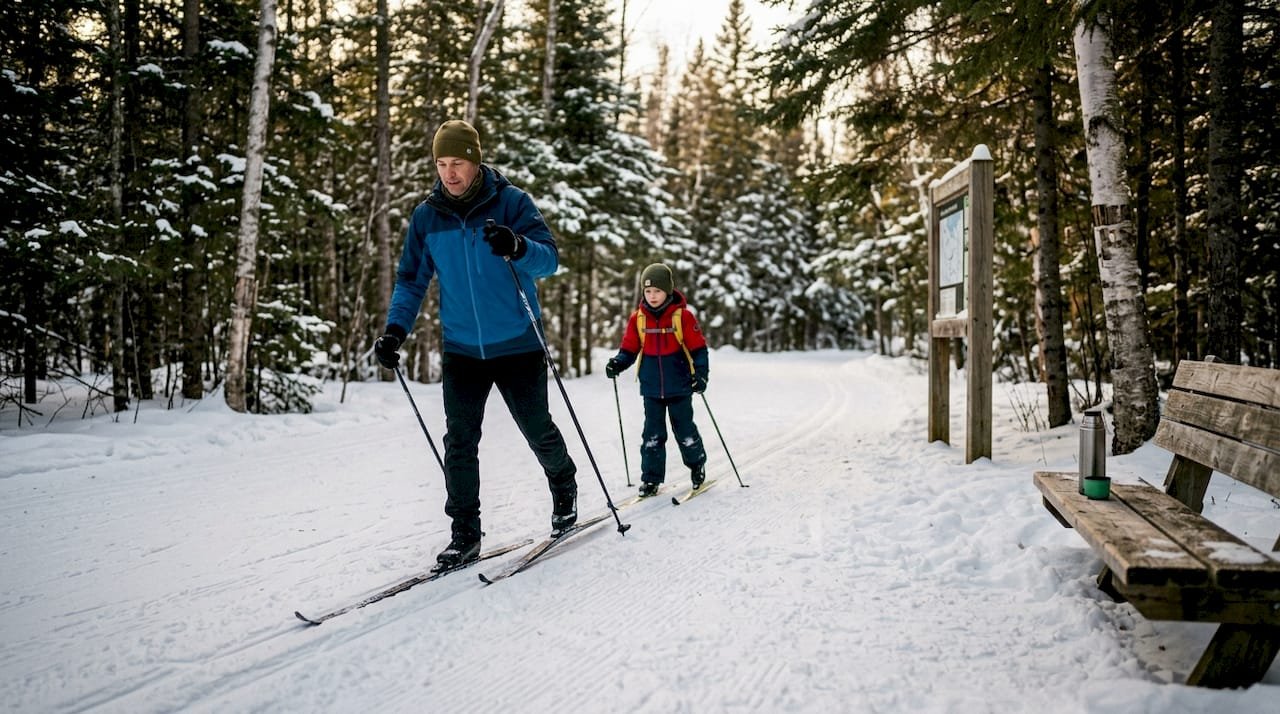
Closer to the GTA, Blue Mountain runs structured March Break ski camps and lesson programs for kids, which suits families who want supervised instruction rather than a DIY ski day. Algonquin Park stays accessible for cross-country skiing and winter hiking through the break, though it’s worth checking ahead since visitor centre hours run shorter than summer schedules.
A few practical notes before you book anything outdoor:
- Rental shops at most Nordic centres and hills stock kids’ gear, but sizing runs out fast during peak week. Reserve rentals, don’t assume walk-up availability.
- Skill level matters more than age for ski camps. Ask whether a program groups by ability or strictly by age before signing up a beginner for an intermediate group.
- Early morning sessions tend to have the best snow and ice conditions before afternoon sun softens trails, so book the earliest slot your family can manage.
- Pack for layers, not for one temperature. March swings from minus 10 to plus 5 Celsius within the same week in most of the province.
Pro Tip: Call the trail or hill directly the morning of your visit if conditions look borderline. Websites update daily snow reports, but a phone call gets you the actual state of the parking lot and trailhead, not just the forecast.
Weather contingency planning matters here more than almost anywhere else on this list. If a warm spell hits, have an indoor backup ready. A museum day or an indoor waterpark visit salvages a trip that a sudden thaw would otherwise wreck.
March Break Camps and Specialty Programs Worth Comparing
Camps fall into a handful of clear categories, and knowing which one you’re looking at saves you from comparing apples to oranges when you’re scrolling through registration pages at 11 p.m.
-
Museum and institutional camps. ROM’s camp model is the clearest example: themed days, age-grouped sessions, and published pricing with optional extended care. These tend to book out first because parents already trust the institution’s name.
-
Conservation authority and outdoor camps. Programs like Hamilton Conservation Authority’s Adventures in the Valley run full outdoor days with hiking, nature study, and hands-on activities, often priced around the $300 to $320 range for the week. These camps frequently require a gate pass for parking and involve a walk from the lot to the main activity centre, so check the operational details before your first drop-off morning.
-
Ski and sports camps. Blue Mountain and similar resorts run week-long ski instruction alongside general recreation, aimed at kids who already have some snow experience or want to build it fast.
-
Private and school-run specialty camps. Independent schools such as Appleby College run marketed March Break camps with clear hours, sample pricing, and extended-care add-ons, often citing accreditation or membership with a recognized camp body.
-
Indoor activity and arcade-style camps. Venues built around structured indoor games and team activities fill the gap for families who want full-day supervised fun without the weather risk of an outdoor program.
Before you register anywhere, check four things: the staff-to-child ratio, whether the camp holds Ontario Camps Association membership or comparable accreditation, the cancellation and refund policy, and whether extended care actually exists or is just listed as an option with no real availability. Prices for a standard week-long day camp in Ontario vary depending on the activity type and whether meals are included, and the camps with the strongest reputations tend to open registration in January.
Free and Budget-Friendly March Break Ideas
You can build a full week without spending much if you know where to look. Attractions Ontario publishes region-by-region event listings and coupon programs that regularly knock a few dollars off admission at participating sites, and museum memberships often pay for themselves after two visits in a single year.
- Check library branches. Most Ontario public libraries run free March Break programming for kids, from craft sessions to reading events.
- Community recreation centres offer discounted or free drop-in skating, swimming, and gym time during the break.
- Provincial parks charge a day-use fee but no program fee for winter hiking or snowshoeing trails.
- Maple syrup festivals start popping up by late March in many regions and are typically free or low-cost to attend.
- Off-peak visit timing (weekday mornings over weekend afternoons) means shorter lines and sometimes lower crowding fees at busier attractions.
A Realistic Planning Checklist Before You Book Anything
Start by confirming your specific school board’s March Break dates. Provincial dates are consistent, but some boards shift by a day or adjust for professional development days attached to the week.
From there, book high-demand camps and events as early as registration opens, since the most popular museum camps and ski programs routinely fill within days. Always read the refund and cancellation policy before paying a deposit. A surprising number of March Break camps offer no refund past a set date, even for illness.
Pack for swings, not a single forecast:
- Layers, including a waterproof outer shell for anything outdoor-based
- Waterproof boots, even for a museum day if you’re walking through slush to get there
- A change of socks and mittens for outdoor programs
- Sunscreen for bright snow days. UV reflects harder off snow than most parents expect
Watch for operational details that catch families off guard. Some conservation area camps require a separate gate pass for parking, and the walk from the lot to the main activity building can be longer than a typical school drop-off. Confirm medication policies in advance if your child needs anything administered during the day, and double-check whether snacks and lunch are provided or whether you need to pack them, since policies vary widely camp to camp.
Where to Eat Near Popular March Break Spots
Most major venues plan for family crowds, but a little research saves you from a 40 minute wait with tired kids. Around the ROM and AGO in downtown Toronto, food courts in the nearby Manulife Centre and Bloor Street shops give you a faster option than a sit-down restaurant during peak lunch hours. In Niagara Falls, the Clifton Hill strip has the highest concentration of family-friendly chains, though prices run higher than you’d pay outside the tourist core, so a short drive to a nearby plaza often saves real money on a week-long trip. Muskoka and Algonquin-area towns tend to have one or two diners that know how to handle a busy March Break lunch rush. Ask your resort or camp for a local recommendation rather than guessing.
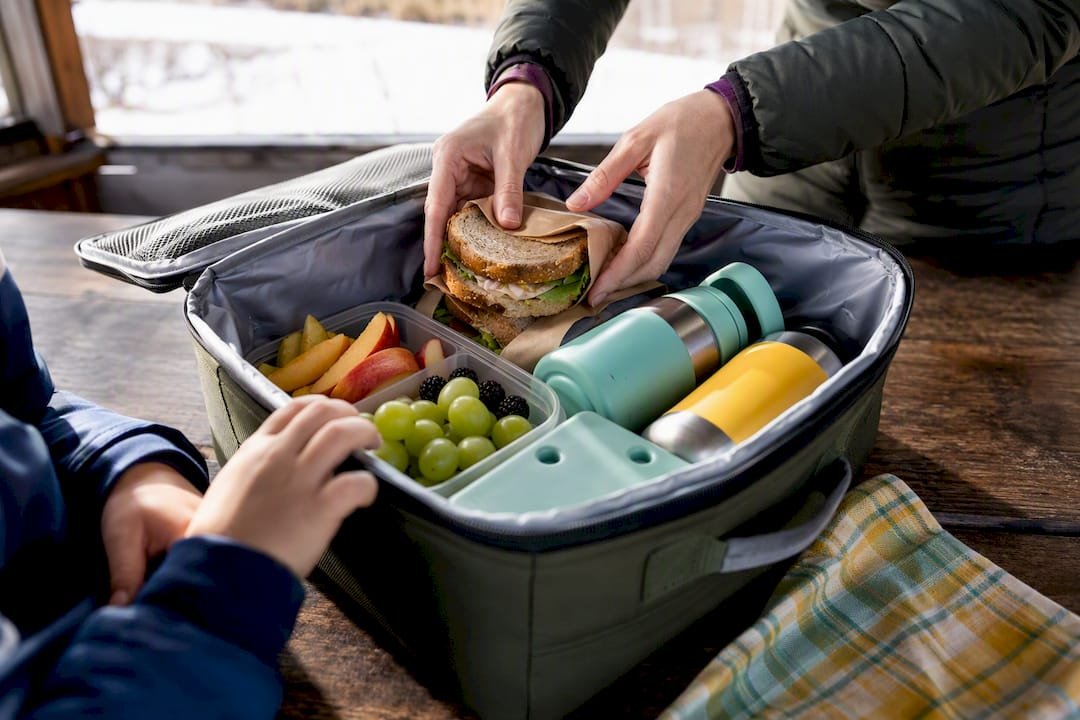
If you’re stretching a food budget across a full week of outings, simple planning tricks like packing snacks and cooking a few meals instead of eating out every day make a noticeable difference by the end of the break. A cooler with sandwiches and fruit for museum and park days cuts costs fast, and most attractions allow outside food in designated seating areas even when they don’t advertise it.
Getting Around Ontario During March Break
Traffic around the biggest draws spikes hard during the break, and Niagara Falls sees some of the worst of it on weekends, when day-trippers stack on top of overnight visitors. If you’re doing a Niagara day trip, arrive before 10 a.m. or plan for a slow crawl through the tourist core by early afternoon.
In Toronto, the TTC is usually faster than driving for anything downtown, particularly around the ROM and AGO, where parking runs $20 to $30 a day and fills early on peak days. GO Transit is a solid option if you’re coming from outside the core and want to skip the parking search entirely.
For Muskoka, Algonquin, and northern trips, check road conditions before you leave. Highway 11 and 400-series routes can see fast-changing weather in March, and a clear morning doesn’t guarantee a clear drive home. Build in extra time either way. A short winter drive can turn into a much longer one if a squall rolls through, and rushing a snowy highway with tired kids in the back seat isn’t worth shaving twenty minutes off your trip.
Why an Indoor Activity Venue Solves the March Break Puzzle
Most of what makes March Break stressful isn’t finding fun things to do. It’s coordinating supervision, transportation, and a schedule that doesn’t fall apart the moment one kid gets cranky at 2 p.m. That’s the real argument for booking a single structured session at a venue built for group activity instead of stitching together three separate outings.
A supervised indoor venue gives you fixed hours, trained staff running the activity, and one booking that covers the whole group instead of five separate tickets and a parking headache. Rotating activities in one location, rather than driving between a museum, a park, and a restaurant, keeps younger kids engaged without the transitions that usually cause meltdowns. It’s not a replacement for a ski day up north. It’s the piece that fills the gap when the weather won’t cooperate or the schedule won’t stretch to a full day trip.
— Archers
Book Your March Break Activity Day at Archers Battlefield
If your week needs one guaranteed-fun, weather-proof day, Archers Battlefield’s kids camps give you a full day of supervised combat archery, Nerf battles, and arcade games without a single outdoor gamble.

Unlike a ski day that depends on snow or a museum day that depends on ticket availability, an indoor session locks in the whole group at once. That matters most for multi-kid families or a birthday falling mid-break. The kids birthday party packages bundle activities into one straightforward booking instead of arranging separate venues for cake, games, and supervision. Groups of siblings, cousins, or a few families combining a trip find it easier to book one session than to coordinate five separate outings across the week.
Sessions often run in blocks that fit around a family’s other March Break plans, so a morning outing can be paired with an afternoon at an activity venue, or used for a whole day if the forecast turns against you. Spots fill quickly during the break itself, so check availability and book your archery session now rather than waiting until the week arrives.
Sources
- Fun March Break ideas in Ontario 2026
- March Break Camp | Royal Ontario Museum
- Your Outdoor Adventure Guide for March Break
- Adventures in the Valley March Break Camp – Hamilton Conservation Authority


