The best alternative to the traditional holiday dinner is a daytime or early-evening activity that people can join without a drink in hand: a team games session, a long lunch with a group challenge, a charity project, or a split of the budget between a small celebration and year-round recognition. Below, we compare eight formats, what they cost, who they suit and what an Ontario employer needs to check before booking.
TL;DR
- Skip the default ballroom dinner if your team is mixed in age, schedule and drinking habits. Active, group-based formats get more people talking, and they work for people who don’t drink.
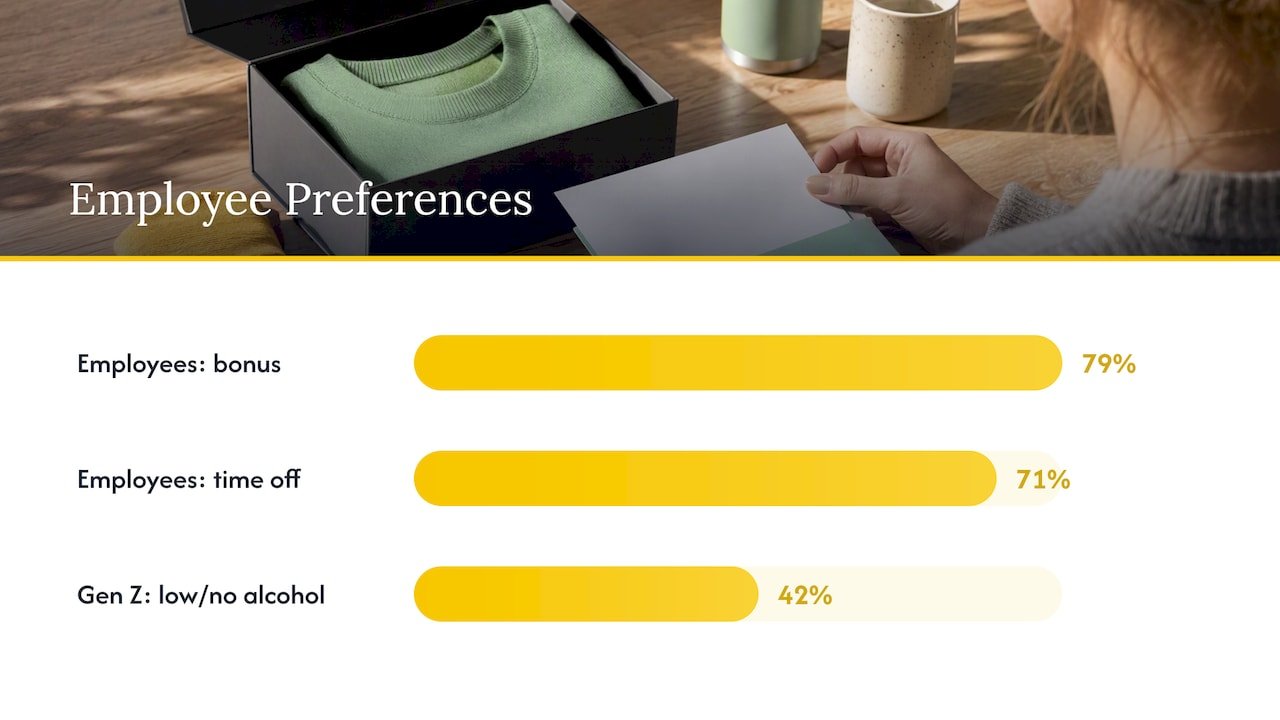
- Staff surveyed by The Harris Poll put a bonus (79%) and time off (71%) ahead of a party, so keep the event modest and pair it with something tangible.
- Make attendance voluntary, hold it in work hours if you can, and plan accessibility and food first.
- An employer-sponsored event is still a workplace in Ontario, wherever it is held, so alcohol, harassment and safety rules still apply.
- For a 10 to 40 person team, an indoor activity venue is often the easiest all-in-one answer.
Table of Contents
- Why teams are moving away from the traditional party
- Eight alternatives, compared
- How to pick the right one for your team
- Alcohol, safety and liability: what Ontario employers should check
- Our perspective: why we think activity beats the dinner
- What a team event at Archers Battlefield looks like
- A simple planning timeline
- FAQ
- Sources
Why teams are moving away from the traditional party
The format itself is not the problem. The problem is that one format is asked to suit everyone: the new graduate, the parent who must leave by 6 p.m., the colleague who doesn’t drink, the person who observes a different holiday, and the executive who wants a toast.
The numbers point the same way. In the Harris Poll’s State of Work: Holiday Parties report, 79% of employees would rather receive a monetary bonus and 71% would rather have extra time off. Gen Z is leading the shift toward interactive, inclusive and low-alcohol gatherings: 42% of Gen Z employees want alcohol served in moderation or not at all.
Social time at work still matters. According to 2026 data reported by Canadian HR Reporter, only half of Canadian workers say their employer organizes lighthearted social events at least quarterly, and 21% get them once or twice a year. Employees named stronger relationships (48%), a sense of belonging (40%), better teamwork (38%) and higher morale (37%) as the benefits. A holiday event is one of the few moments many teams get, so it is worth designing rather than defaulting.
Eight alternatives, compared
| Format | Best for | Alcohol needed? | Effort to plan | Rough budget logic |
|---|---|---|---|---|
| Active games session | Mixed teams of 10 to 60 | No | Low if the venue plans it | Package or per-activity pricing |
| Long team lunch with a challenge | Small teams, office-based | Optional | Low | Catering plus a facilitator or a self-run game |
| Skills or tasting workshop | Teams that like a quieter activity | Optional | Medium | Per-person fee |
| Charity or volunteer day | Values-driven teams | No | Medium | Mostly staff time |
| Virtual or hybrid social | Remote and dispersed staff | No | Low | Very low |
| Year-round recognition | Teams with holiday fatigue | No | Medium | Spread across the year |
| Time off or early close | Everyone | No | None | The cost is hours, not dollars |
| Budget potluck or cookie swap | Small or cost-conscious teams | No | Low | Close to zero |
1. An active games session
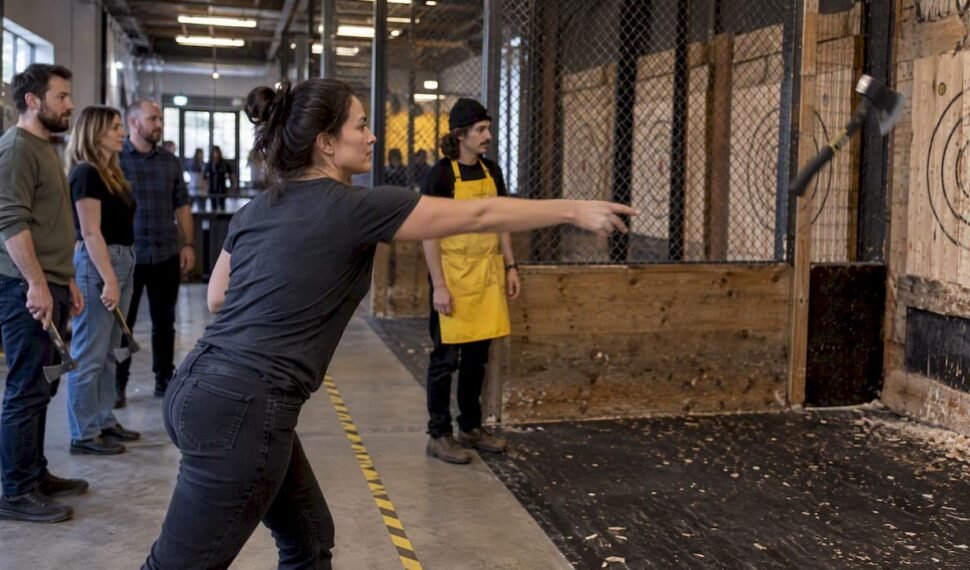
This is the format we see fit the widest range of teams. Everyone gets something to do in the first two minutes, so nobody stands by the wall holding a drink and waiting for the speeches to end. Competitive people get a scoreboard. Quieter people get a team role. You can mix physical activities with calmer ones, which matters: the Canadian Business guide to offsites recommends a menu of activities for different energy levels, such as physical challenges like archery or axe throwing alongside cerebral tasks like trivia.
At our venue that menu is built in. A group can rotate through combat archery, Nerf battles, dodgeball, ping pong, bazooka ball, axe throwing and arcade games, with rules and equipment handled by staff. Our guide to indoor team building games that actually work walks through the formats that suit mixed-ability groups, and our page on axe throwing team building covers the more focused version.
2. A long lunch with a built-in challenge
If the budget is tight or the team is small, a catered lunch during work hours is hard to beat. Add one structured element: a trivia round, a team recipe challenge or a department-against-department quiz. Daytime timing removes the childcare and commuting problems that make evening events feel like a second shift. Our experts agree on that point: the Harris Poll research recommends holding events in business hours where possible so staff are not pressed to give up personal time.
3. A workshop or tasting
Some teams want something calm and conversational. A skills class, a craft session or a guided tasting gives people a shared focus. If you include wine, build the session around learning, not volume. One planning resource on 60 to 90 minute corporate wine tasting ideas shows how to design a short, structured session for people with different preferences and backgrounds. Offer an equally interesting non-alcoholic option so it doesn’t feel like a consolation prize.
4. A charity or volunteer day
A shared project, such as packing food hampers, a toy drive or a team-led charity auction, gives the season a purpose beyond the party itself. Breezy HR’s list of inclusive office holiday ideas suggests a charity auction in place of a tired gift exchange. The tradeoff is that it feels less like a celebration, so it works best when paired with a short thank-you moment.
5. A virtual or hybrid social
For staff spread across Ontario and beyond, a video-based gathering with a game or a shared challenge keeps everyone included. Nothing beats being in the room for building trust, but a virtual option stops remote colleagues from feeling like an afterthought. Team chess is one lightweight idea for keeping remote colleagues connected between in-person days: see this look at how team chess builds skills and connection in 2026. A 2026 team-building playbook from Paddo frames this as a 70/30 rule: frequent, low-friction virtual touchpoints for most of the year, with a smaller share of high-impact in-person moments. A holiday games session is a natural in-person moment.
6. Year-round appreciation
HR commentary collected by Breezy HR argues that holiday events work best as part of year-round appreciation rather than one mandatory December event, which also avoids holiday fatigue and respects staff who don’t celebrate in December. In practice: a modest December gathering, plus a summer outing and a spring recognition event, instead of a single big spend.
7. Time off or an early close
It is the least creative option on this list and, going by the survey above, among the most welcome. An early finish on the last working day before the break costs nothing in planning. Combine it with a short in-office toast or a games hour just before.
8. A budget potluck or cookie swap
Potlucks, decoration contests and awards cost very little. They suit small teams and startups, but give them a little structure (a voting card, a prize for the most creative dish) so they don’t fade into a quiet lunch at desks.
How to pick the right one for your team
Start with who is on your team, not with what’s trendy.
- Survey first. An anonymous two-question survey (what would you enjoy, what would put you off) stops the party reflecting only leadership taste. The Harris Poll report recommends this.
- Check the calendar. Mid-afternoon on a weekday in early to mid December often beats a Friday night. Book early: venues fill fast in the last three weeks before the break.
- Pick the energy level. If your team sits all day, movement is welcome. If your team is on its feet all day (retail, healthcare, trades), a seated workshop may suit them better.
- Decide on alcohol deliberately. More on that below.
- Set the budget as a total. Include food, any venue fee, transport and a plan for people who can’t attend.
Alcohol, safety and liability: what Ontario employers should check
This is the part that gets skipped when the invitation goes out. According to an Ontario employment law firm, employer-sponsored events count as a workplace wherever they are held, and harassment, alcohol-related incidents, discrimination and injuries at them have led to liability under the Occupational Health and Safety Act, the Human Rights Code and civil law. Your anti-harassment policy applies on the night. Speak to an employment lawyer or your HR advisor about your own obligations and insurance, because they depend on your situation.
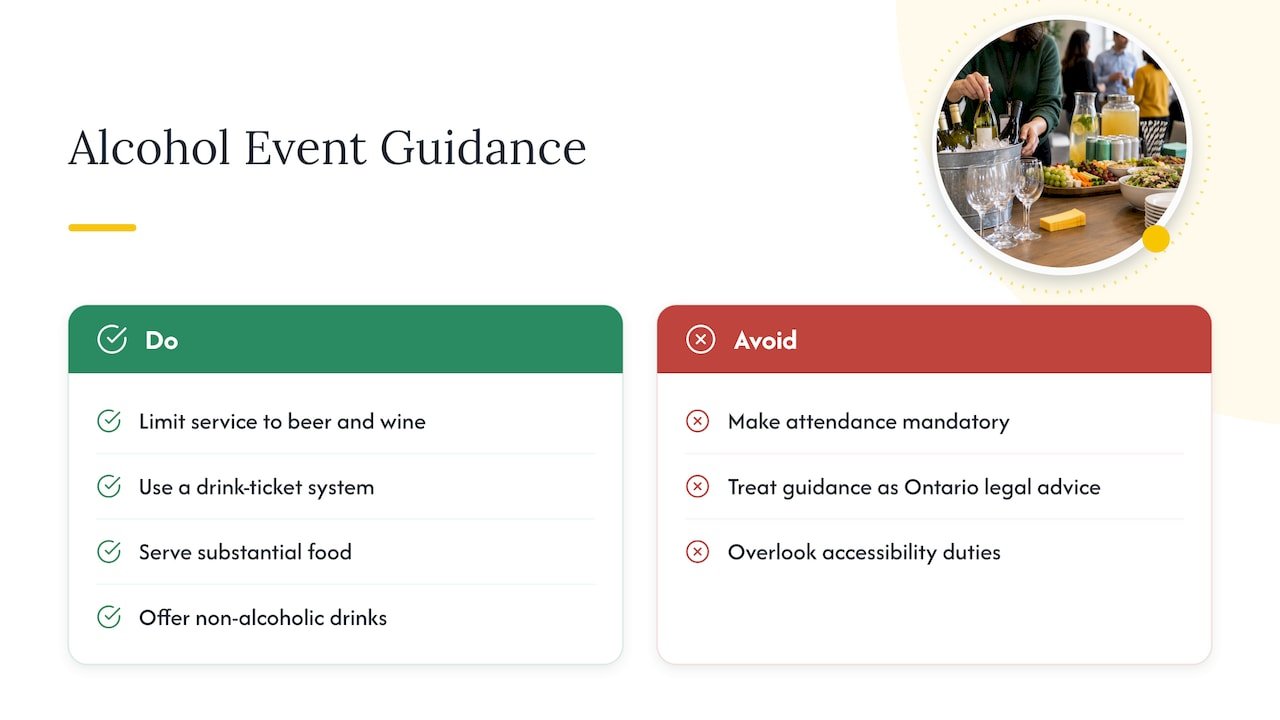
If you do serve alcohol, the Canadian Mental Health Association’s BC division has practical guidance on hosting work events with alcohol: limit service to beer and wine, use a drink-ticket system, serve substantial food, and make non-alcoholic options feel planned rather than an afterthought. Its liability notes are general and vary by jurisdiction, so treat it as good practice, not Ontario legal advice.
Law-firm guidance from Koley Jessen adds sensible habits: keep attendance voluntary, offer non-alcoholic drinks and accessible venues, and invite employees to request accommodations in advance through a named contact. Their publication is written from a United States perspective, so check Ontario specifics, including accessibility duties under the AODA, with your own advisor.
An activity-led event reduces many of these risks by design. When people are busy competing, there is less time and less reason to drink, and a venue with trained staff supervising equipment takes the burden off managers. We cover this thinking in more depth in happy hour alternatives for work.
Our perspective: why we think activity beats the dinner
We run an indoor venue for group play, so we see the same pattern each season. A team arrives with the usual office hierarchy intact. Twenty minutes into dodgeball or a combat archery round, the hierarchy has loosened: the analyst is captaining a team, the director is ducking behind a barrier, and everyone is laughing at the same thing.
That is not magic. It comes from three design choices we make when we plan team events:
- Low entry barrier. Nobody needs prior skill. Staff explain the rules and the safety briefing, then people play.
- Variety. A group can rotate between active games, ping pong and calmer options such as axe throwing or arcade games, so a person who dislikes one station isn’t stuck.
- Clear structure. A host, a schedule and equipment already set up means the organizer can join the fun rather than run it.
Our honest advice: don’t force an activity on anyone, give people a quiet corner or a role such as scorekeeper, and tell the team in advance what the day will involve so no one is surprised. Safety and a positive experience for every guest come before the scoreboard.
— Archers
What a team event at Archers Battlefield looks like
Our team building page lists three packages for corporate groups:
| Package | Starting price |
|---|---|
| Collab Package | from $699 |
| Ultimate Paddle Package | from $799 |
| Momentum Package | from $2,395 |
If you would rather build your own session, individual activities are listed on our homepage: combat archery at $35, Nerf battle at $35, ping pong at $30 and dodgeball at $30. Bazooka ball, axe throwing and arcade games are also available, and our team will quote those with you. Sports teams and leagues celebrating the season can look at our sports team event packages, and smaller get-togethers or a quiet night in the games area are covered in our indoor game night ideas.
When you are ready, contact us through the team building page with your headcount, preferred date and any accessibility or dietary needs, and we’ll help you shape the format.
A simple planning timeline
- Early October: survey the team, confirm a budget, shortlist two formats.
- Late October: confirm a venue and date; send a save-the-date that states attendance is voluntary and adults-only if that is your choice.
- November: finalize food and non-alcoholic drinks, collect accessibility and dietary requests, and name an on-site contact.
- Week of the event: send logistics (arrival time, parking, what to wear) and a reminder of your code-of-conduct expectations.
- After: a three-question feedback form, so next year’s plan starts from real answers.
FAQ
What is a good alternative to a corporate holiday party?
An activity-based daytime event is the easiest swap: team games, a workshop or a charity project. If budget is the issue, a catered lunch with a short challenge or an early close on the last working day also works. Ask your team first, since preferences differ widely.
How do we keep an office holiday event inclusive?
Make attendance optional, avoid religious-specific theming, offer food that covers dietary needs and serve appealing non-alcoholic drinks. Choose an accessible venue and invite people to request accommodations ahead of time. Holding it during work hours helps staff with caregiving duties.
Do we have to worry about liability if the party is off-site?
Yes. In Ontario, an employer-sponsored event is generally treated as an extension of the workplace, so harassment, alcohol and safety obligations still apply. Talk to an employment lawyer or your insurer about your specific setup before you book.
How far ahead should we book a team activity venue in December?
Book as early as you can, ideally in October. Weekday afternoons and early evenings in the first half of December fill quickly across the province, and a confirmed date lets you give staff plenty of notice.
Sources
- The Harris Poll: State of Work Holiday Parties
- Canadian HR Reporter: How important are social events at work?
- Canadian Business: How to host an offsite that boosts morale
- Breezy HR: 11 office holiday party ideas that keep it fun and inclusive
- Paddo: 2026 team building playbook
- CMHA BC: Hosting work events with alcohol
- Koley Jessen: Holiday parties, client gatherings, and the law
- Achkar Law: Employer liability at workplace events in Ontario


