
The best summer camp field trip in Ontario combines one learning stop with one high-energy stop that does not depend on the weather. For the active stop, our indoor venue in Ontario runs combat archery, Nerf battles, bazooka ball, dodgeball, ping pong and axe throwing for groups, with event packages built around your group size. Below you will find the main types of trips, what the ones with published prices cost, the rules camp organizers work under, and a simple way to plan a day that runs smoothly.
TL;DR
- Ontario field trips fall into four types: science and museum visits, conservation and nature programs, park and heritage programs, and active group recreation.
- Published prices for curriculum-style programs run from $260 per half-day class and $465 per full-day class at one conservation centre, so budget per group, not only per child.
- Recreational camps in Ontario operate under a regulation that covers safety plans, supervision of campers under 13 and lifeguard ratios at the water.
- An indoor active stop protects your schedule when it rains, and our group packages start from $399.
- Book early, confirm your ratios and write the day’s emergency plan before you load the bus.
Table of Contents
- What kinds of summer camp field trips work in Ontario
- Educational destinations across Ontario
- What a field trip really costs
- Why add an active indoor stop
- Rules every Ontario camp organizer should know
- A planning timeline that works
- Sample trip calendars
- Book an active day for your camp
- Our perspective
- Frequently asked questions
- Sources
What kinds of summer camp field trips work in Ontario
Most camp directors build a trip calendar from the same four ingredients. Mixing them across a summer keeps campers from seeing the same kind of day twice.
| Trip type | What campers do | Best for |
|---|---|---|
| Science and museum visits | Hands-on exhibits, guided tours, demonstrations | Rainy days, STEM themes |
| Conservation and nature programs | Guided hikes, pond and forest study, outdoor skills | Nature and adventure camps |
| Park and heritage programs | Canoeing, hiking, cultural and natural history | Older campers, full-day outings |
| Active group recreation | Team games, tournaments, challenges | Team-building weeks, end-of-session events |
The first three are the classic educational stops. The fourth is the one most camps forget to plan, and it is often the one campers remember longest. It is also the easiest to run on short notice, because an indoor venue does not care what the forecast says.
Educational destinations across Ontario
Several Ontario institutions publish programs for groups. They were designed with school classes in mind, and many take camps and community groups too.
Science and discovery
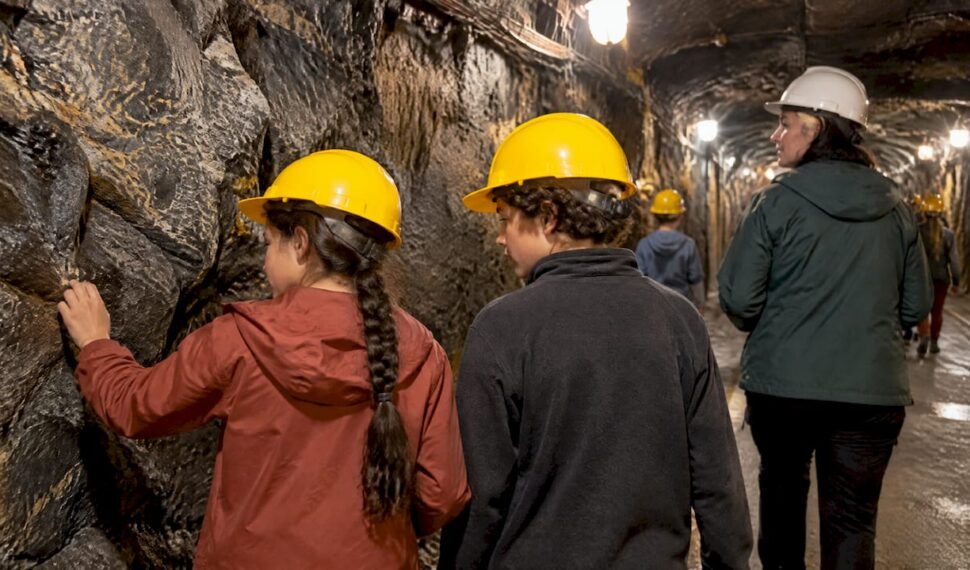
In Sudbury, Science North and Dynamic Earth offer curriculum-connected STEM programs for schools, including mine tours and interactive exhibits led by their Bluecoat staff. For a northern Ontario camp or a family-style trip that heads north for a week, that pairing gives you a full day of indoor and underground content.
Conservation authorities
The Toronto and Region Conservation Authority runs overnight school trips at Albion Hills, Claremont and Lake St. George, with themes such as biodiversity, outdoor recreation and Indigenous studies. It also offers in-class and Beyond The Park programs that can come to schools, recreation centres, community groups or camps. That second option matters if your budget has no room for a bus.
Kortright Centre for Conservation in Vaughan hosts camps and community groups. Its programs suit children aged 6 to 14, serve classes of up to 30 and can be adapted for special needs. Preschool-age groups are directed to its Bug Hunt and Nature Exploration programs.
Parks and heritage
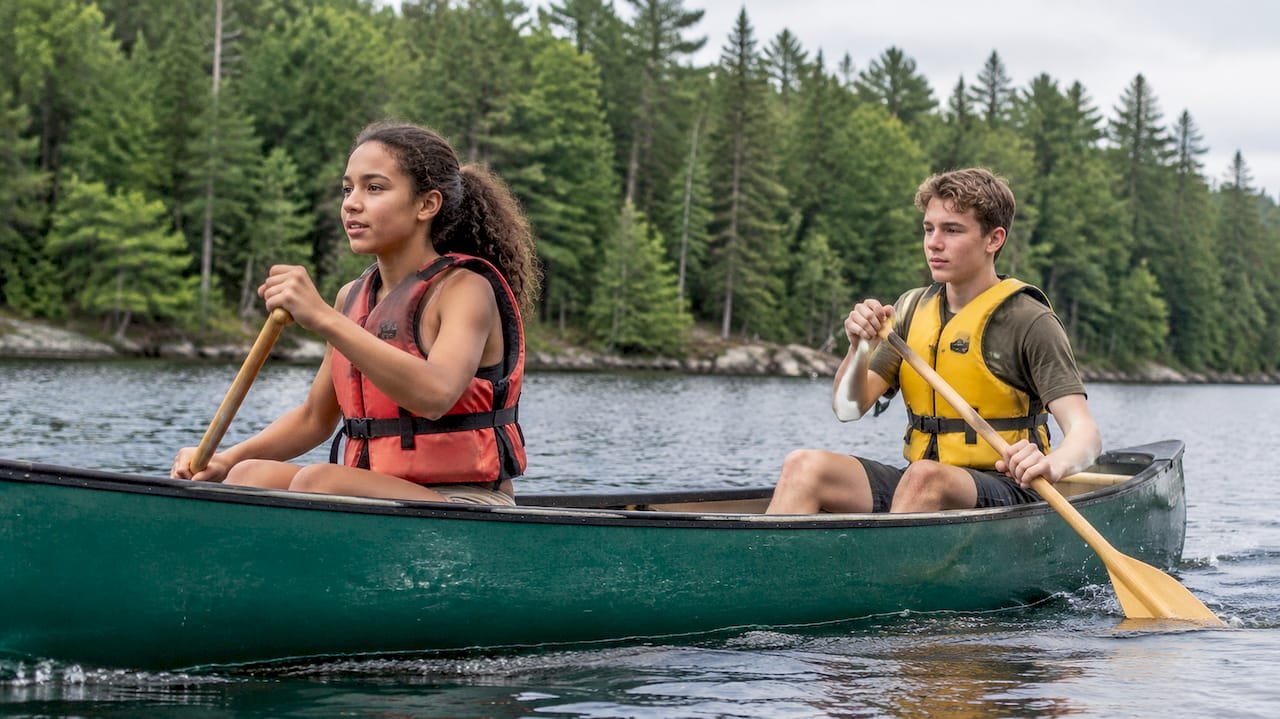
The Friends of Algonquin Park offer education programs for K-12 groups that explore the park’s natural and cultural history through hiking, snowshoeing and canoeing. For camps heading out of the city, it is one of the most recognizable names on the list.
The OFAH Mario Cortellucci Hunting and Fishing Heritage Centre offers curriculum-based full-day field trips focused on wildlife conservation and outdoor recreation.
How the educators are staffed
Conservation authorities typically staff their outdoor education programs with certified teachers or skilled environmental educators, so the content lines up with the provincial curriculum. For a camp, that means you can usually ask for a theme that matches your week, whether that is water, forests or wildlife.
What a field trip really costs
Prices vary by provider, group size and length of day, so always confirm on the provider’s own page. As one worked example, Kortright charges $260 per half-day class and $465 per full-day class, for up to 30 students. Split across a full group of 30, that is about $15.50 per camper for a full day before transport. Transport is the hidden cost: a bus quote can match or exceed the program fee, so ask for it at the same time you request your date.
For our own venue, the prices published on our site are:
- Game On Team Battle from $399
- Epic Team Battle Event from $499
- Team Collab Package from $699
- Single activities: Combat Archery $35, Nerf Battle $35, Ping Pong $30, Dodgeball $30
Packages are priced by group size and features, so your final quote depends on how many campers you bring and which games you choose. The sports team and youth group packages are the starting point for a camp outing.
Why add an active indoor stop
A field trip day has a rhythm problem. Campers sit on a bus, listen to a guide, walk a trail, then sit on the bus again. A stop built around movement and teamwork resets the group.
Here is what an active indoor session does for a camp schedule:
- It survives the weather. Ontario summers bring heat alerts, thunderstorms and smoke days. An indoor venue keeps the outing on the calendar.
- It mixes the groups. Team games force cabins and age groups to work together, which helps in the middle weeks when cliques have formed.
- It gives a clear finish. A tournament or final round gives the day an ending that campers talk about on the ride home.
- It suits different ability levels. Our games, from combat archery to ping pong, do not require prior experience.
We offer combat archery, Nerf battles, bazooka ball, dodgeball, ping pong, axe throwing and arcade games, so a group can rotate through several stations instead of lining up for one. If you want to see how the foam-ball format works before you plan, read what bazooka ball is. For a camp that likes structured competition, our guide to dodgeball safety rules shows how we set up a game that stays fun for everyone.
Camps also run weekly programs with us. Our kids camps page has the details for summer sessions, and the indoor activities guide lists more ideas for groups.
Rules every Ontario camp organizer should know
If you run a recreational camp, your trips sit inside a regulatory framework. Read the regulation itself and speak to your local public health unit, because they enforce it.
- Written safety plan. Ontario Regulation 503/17 requires recreational camp operators to develop a written camp safety plan and submit it to the local medical officer of health before opening. The plan covers emergency procedures, safety strategies for water and land activities, and staffing ratios.
- Supervision of younger campers. For campers under 13 or those with special needs, operators must ensure continuous supervision by an adult with first aid training and experience in child leadership.
- Waterfront trips. Waterfront activities require certified lifeguards at least 15 years old, with two lifeguards for 1 to 25 campers in the water.
The practical lesson: when you choose a destination, ask how its staffing sits alongside yours. Your own counselors stay responsible for supervision on any trip, and your safety plan should name the field trip routine, not only on-site days. If you are unsure whether a specific outing is covered by your plan, confirm it with your local medical officer of health before the trip.
A planning timeline that works
Good trips are won before the bus leaves. This is the order we recommend.
Eight to six weeks out
Pick two or three candidate dates per trip and request them from the destination. Popular conservation programs fill early. Kortright, for instance, requires advance booking and a 50% deposit one month before the visit, so a deposit deadline can arrive before you expect it.
At the same time, book transport and confirm your counselor-to-camper ratios for the day. Include a wet-weather option in your plan, such as an indoor stop on the same route.
Four weeks out
Send permission forms and collect medical and allergy information. Confirm headcounts with the destination and note any campers who need adaptations. Many programs can be adjusted for special needs, but only if you tell them ahead of time.
The week before
Run a briefing for counselors: who carries first aid kits, who takes attendance at every transition, where the group meets if someone is separated. Check the forecast and decide your go or switch call the evening before.
On the day
Count campers on and off the bus every time. Keep water and sunscreen at hand. End the day with something campers look forward to; a group treat works well, and some camps arrange an ice cream truck for parties at the end of a trip day, and ice cream truck rentals in Toronto are an option for GTA camps.
Sample trip calendars
These show how a camp can spread trip types across a summer. They are templates, not fixed schedules.
A four-week day camp for ages 8 to 12
- Week 1: conservation program near the camp, short bus ride
- Week 2: science center visit, with a lunch stop
- Week 3: our venue for a team-games afternoon
- Week 4: end-of-summer tournament day
A STEM and adventure camp
- A science and mine tour trip early in the summer
- A park program with canoeing mid-summer
- A team-battle session as a reward for the final week
A small community group with limited transport budget
- A program that comes to you, such as an in-class or Beyond The Park session
- One bus trip for a single active outing
The pattern is the same: one learning trip, one nature trip, one active trip. The active stop is where we come in.
Book an active day for your camp
If your next field trip needs a stop that works in any weather, we run group sessions built for schools, youth groups and camps. Our team helps with planning, so you do not have to design the day yourself. Choose a package based on group size and the games you want: Game On Team Battle starts at $399, Epic Team Battle Event at $499 and Team Collab Package at $699. Tell us your camper count and age range, and we shape the session around them.

You can also book single activities, such as combat archery or a Nerf battle, from the main activity page.
Our perspective
We see a camp field trip as two jobs: teach something and let kids burn off energy. Most programs do the first job well. Few plan the second.
That is why we built our sessions for groups. Combat archery, Nerf battles, dodgeball, bazooka ball, ping pong and axe throwing all work as team formats, and our packages scale to the size of your group. We emphasize safety and positive experiences for every guest, and we support the planning so a counselor can focus on the campers.
Our advice to camp directors: put an active session in the middle or at the end of your trip calendar, and make it a team event. Campers who have laughed together on a Nerf battlefield walk onto the next nature trail as one group.
Archers
Frequently asked questions
When should I book a summer camp field trip in Ontario?
Start planning at least a couple of months ahead, because popular programs fill and some require deposits well before the visit. Kortright, for example, asks for a 50% deposit one month before the trip. Check each provider’s page for its current booking rules.
How many staff do I need on a field trip?
That depends on your camp’s approved safety plan and the ages of your campers. Ontario’s recreational camp regulation requires continuous supervision by a first-aid-trained adult for campers under 13, and set lifeguard numbers at the waterfront. Confirm your ratios with your local public health unit.
What can we do if it rains on trip day?
Plan an indoor alternative before you book the outing. Science centers work, and so does an active indoor venue like ours, where combat archery, Nerf battles and dodgeball run regardless of the forecast. Contact us early so we can hold a date.
What does an active group session cost with you?
Our team packages start at $399 for Game On Team Battle, $499 for Epic Team Battle Event and $699 for Team Collab Package. Single activities are listed at $35 for combat archery and Nerf battle, and $30 for ping pong and dodgeball. The final price depends on group size and features.
Sources
- School Field Trips, Science North Education
- Overnight Field Trips, Toronto and Region Conservation Authority
- Programs for Teachers and Schools, Toronto and Region Conservation Authority
- Camps and Community Groups, Kortright Centre for Conservation
- Group Education Programs, Friends of Algonquin Park
- Heritage Conservation Centre, OFAH Foundation
- O. Reg. 503/17 Recreational Camps, ontario.ca
- Recreational Camps guidance, Public Health Grey Bruce


