The best arcade team building is not a row of cabinets and a pizza order. It is a set of shared-goal games, played in teams, with a short debrief, in a venue that handles the logistics for you. At Archers Battlefield we run combat archery, Nerf battles, bazooka ball, dodgeball, ping pong, axe throwing and arcade games under one roof, with team-building packages from $399 and event planning support, so you can build one afternoon around several games instead of one.
TL;DR
- Pick games where people must talk, share a goal and take turns, then split the group into mixed teams.
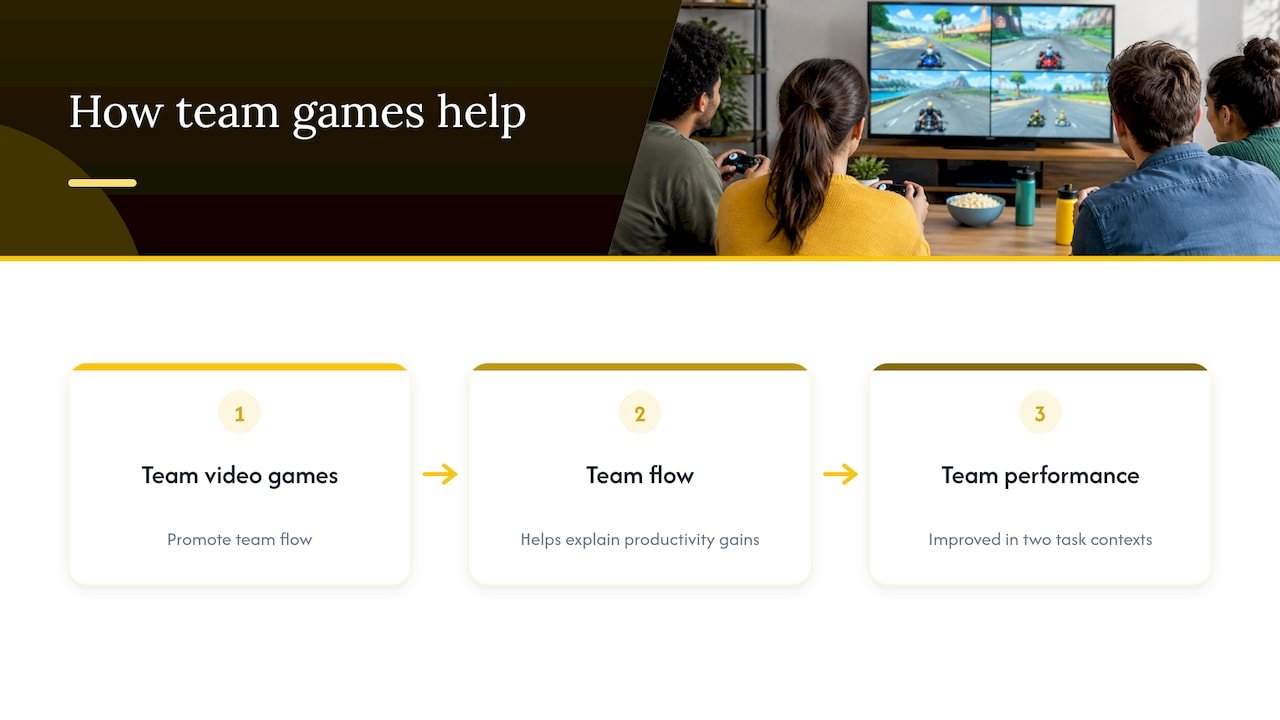
- Research on team video games found they promote “team flow” and improved team performance in two different task settings.
- Mix one active game (combat archery, dodgeball), one skill game (ping pong, axe throwing) and arcade time for breaks.
- Team packages start at $399 (Game On Team Battle) and $699 (Collab Package); single activities are $30 to $35.
- Check group size, ages, supervision and timing before you book, especially for school and youth groups.
Table of Contents
- What arcade team building actually means
- Which games get a team talking
- How to plan an arcade team-building event step by step
- Adapting the format to your group
- What to check before you book
- Why a venue beats an improvised setup
- Book your team event
- FAQ
- Sources
What arcade team building actually means
Arcade team building uses game-style activities, rather than meeting-room exercises, to get a group working together. People compete and cooperate at the same time. That mix is what makes a coworker you barely know become the person you high-five after a last-second shot.
The format works because the stakes are low and the feedback is instant. Nobody needs to explain the rules of a ping pong rally. Everyone understands a score, so conversation turns to tactics, encouragement and jokes within minutes. For a manager, HR lead, coach or youth leader, that is the whole point: you are creating a shared story, not delivering a lecture.
What the research says about game-based teamwork
A 2021 randomized controlled trial by Keith, Dean, Gaskin and Anderson looked at team video games used for team building. It found that these games promote team flow, a state where a group is absorbed in a task together, and that this helped explain gains in team productivity. The team-building approach improved team performance in two different task contexts.
The study used video games, not a venue like ours, so treat it as a reason to take play seriously rather than a promise about any single outing. The practical lesson is simple: games that need the whole team to concentrate on one goal do more for a group than games that let people drift off to their own screens.
Which games get a team talking
Not every game builds a team. A solo high-score cabinet gives you a nice break but little interaction. Look for formats with these features:
- Shared goals. The team wins or loses together.
- Roles. Someone scouts, someone shoots, someone defends.
- Short rounds. Five to ten minutes lets teams reset and try a new plan.
- Visible scoring. A running tally keeps energy high without making it personal.
Here is how our activities map to those features.
| Activity | What it asks of the team | Good for | Published price |
|---|---|---|---|
| Combat archery | Cover each other, plan routes, call targets | Corporate groups, sports teams, teens | $35 |
| Nerf battle | Objectives, defending a base, fast regrouping | Kids, mixed-age groups, offices | $35 |
| Dodgeball | Quick decisions, protecting teammates | Sports teams, camps, staff days | $30 |
| Ping pong | Doubles rotations, tournament brackets | Any age, easy entry | $30 |
| Bazooka ball | Coordinated throws and catches | Large, energetic groups | No published price |
| Axe throwing | Coaching each other, friendly scoring | Adult teams, date nights | No published price |
| Arcade games | Breaks, side challenges, relaxed mingling | Everyone | No published price |
For how each game works, see our guides to combat archery rules, what bazooka ball is and axe throwing games for groups.
Co-op and competition in arcade culture
Classic arcade design already knows this. Plenty of arcade games pair players against a common enemy, and even single-player titles lean on leaderboards to spark rivalry, as one arcade retailer’s overview of games to play with friends points out. Co-op shooters and brawlers like Gauntlet, X-Men or Contra reward players who watch each other’s backs. A team building day borrows that logic and makes it physical: you are not just pressing a button next to a colleague, you are crossing the floor with them.
Where ping pong fits
Ping pong is the quiet star of a team event. It is easy to learn, it runs well in rotation, and it suits a group with a wide range of fitness levels. Try this format for 8 to 16 people:
- Pair people from different departments for doubles.
- Play first to 7 points, then swap partners.
- Keep a shared leaderboard so every pairing counts toward a team total.
- Finish with a short bracket for the top four pairs while everyone else cheers or moves to the arcade.
This keeps everyone involved, since no one sits out for long. Our tournament party ideas page shows how to run 4 to 8 teams with minimal setup, and the same structure works for a staff event.
How to plan an arcade team-building event step by step
1. Define the goal before choosing games
Ask what you want people to leave with. A new team that has never met needs mixing and easy wins. An established team might want friendly competition and a chance to see colleagues in a new light. A sports team might want leadership and communication under pressure. Write the goal in one sentence, because it decides everything after.
2. Size the group and split it
Small teams of four to six let everyone contribute. For large groups, run activities in parallel: half the group on combat archery while the other half plays ping pong and arcade games, then swap. Rotating stations keeps lines short and energy high. Tell us your headcount early, because our packages are customized to group size, and a planner can help you build a rotation that fits.
3. Mix the activity types
A three-part structure works well for a two-to-three-hour event:
- Warm-up (20 minutes). Ping pong doubles or a quick arcade challenge to get people talking.
- Main event (60 to 90 minutes). Combat archery, Nerf battle or dodgeball in team rounds.
- Cool-down (30 minutes). Axe throwing, arcade games or food, with scores and bragging rights announced.
People with different comfort levels each find something that suits them, which matters for inclusion.
4. Mix the teams on purpose
Left alone, people pair off with friends. Assign teams by drawing colors or numbers so that managers, new hires and different departments end up together. Mixed teams are where the real team building happens.
5. Run a two-minute debrief
After the main game, ask three questions: what worked, what surprised you, and what would you do differently as a team? Tie the answers back to the office. This is how a fun afternoon becomes a useful one, and our indoor team building games guide walks through choosing, running and debriefing a game.
6. Confirm logistics in writing
Confirm date, arrival time, group count, food plans and any accessibility needs. Then send participants a short note on what to wear. Closed-toe, comfortable shoes and loose clothing suit nearly every activity, and our guides on what to wear for Nerf battles and axe throwing essentials cover the details.
Adapting the format to your group
Corporate teams and holiday events
Office groups usually want something inclusive that does not single out the least athletic person. Ping pong doubles, arcade challenges and team-based Nerf objectives all work, with axe throwing as an optional adult highlight. For a holiday event, build in time to mingle and hand out small prizes for categories like best teamwork, not just top score. Our team building packages start at $699 for the Collab Package.
Sports teams and leagues
Coaches often use these days for bonding outside practice. Dodgeball, combat archery and tournament-style ping pong suit athletes who like to compete, and shuffled lines stop the usual cliques from forming. See our sports team event packages: Game On Team Battle from $399, Epic Team Battle Event from $499 and Team Collab Package from $699.
Schools, youth groups and summer camps
For school field trips and camp days, age and supervision drive the plan. Recreation-planning guidance for Canadian programmers suggests close supervision and simple rules for ages 4 to 5, pro-social group activities for ages 10 to 12, and teamwork and communication activities for ages 13 to 15. Teens in particular should help choose the activities.
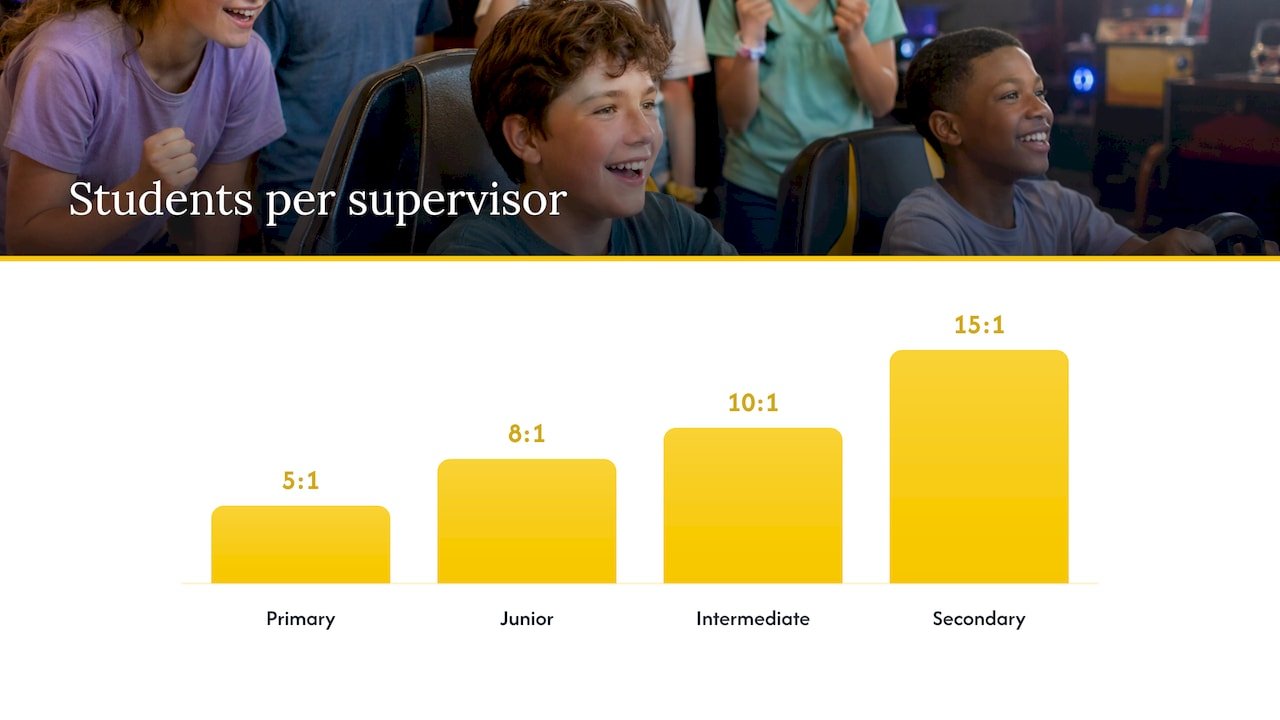
School boards also set their own rules. The Greater Essex County District School Board requires trips to be developmentally appropriate and sets minimum supervision ratios of 5:1 for primary, 8:1 for junior, 10:1 for intermediate and 15:1 for secondary students. The Toronto District School Board’s excursions policy asks for a clear educational purpose, written parental consent and planning for risk, supervision, medical and dietary needs. Check your own board’s policy first, then tell us your numbers and ages so we can plan the activity mix and rotation around your required ratios.
For camps, the Ontario Camps Association’s 2026 standards call for written safety policies, a camp safety plan and sensible camper-to-staff ratios for each activity, with more staff for higher-risk or technical activities. If you run a camp, share that plan with us when you book.
Youth organizations with formal risk levels
Girl Guides of Canada sorts activities into green, yellow and red risk levels, with paperwork due at least 14 days ahead for yellow activities and 21 days for red ones, plus parent permission. If your organization works this way, book early so you can get approvals done.
Birthdays and date nights
The same logic scales down. Kids get a rotation of fast, active games; adults get a looser mix of ping pong, axe throwing and arcade time. Our kids birthday packages start at $399 (Game On Birthday Party) and $499 (Epic Birthday Party). Adults can look at the event packages, including Pong & Party On from $299 and Action & Chill Bash from $599. For a smaller night out, see our indoor game night ideas.
What to check before you book
Use this checklist as you plan:
- Headcount and ages. Confirm the final number and the age range, since both affect the activity mix and, for schools, supervision.
- Supervision. Know your required adult-to-student ratio and how many adults are attending.
- Accessibility. Ask what each activity involves physically and choose alternatives, such as ping pong or arcade games, so everyone can take part.
- Timing. Two to three hours covers a warm-up, main game and cool-down. Add time for food and arrival.
- Budget. Compare a package with single-activity pricing. Single activities are $30 to $35 as published, while packages start higher but bundle planning support. Prices are as published on our site and can change, so confirm when you book.
- Approvals. School boards, camps and youth organizations may need forms signed well before the date.
- Rules briefing. Gather everyone before play starts. Our combat archery tips and rules pages help you prepare.
Why a venue beats an improvised setup
It is tempting to hire a few tabletop games and set them up in the office. Setup, safety and cleanup then land on you, and the people you most want to relax end up organizing. A dedicated venue changes who carries the load. Activities are laid out, the space is built for play, and a planner handles the packages and details. Your job reduces to showing up and joining in, which is also the best signal a manager can send.
Our view: play with a purpose
We built Archers Battlefield around one idea: groups bond fastest when they are moving, laughing and working toward something together. That is why we offer combat archery, Nerf battles, bazooka ball, dodgeball, ping pong, axe throwing and arcade games in the same venue. A team can start with an easy ping pong rally, move to a team battle, and finish with arcade games, without anyone feeling left out.
We design our packages to be customized to your group size and type, and our planning support exists so the organizer can take part rather than run around. Safety and positive guest experiences are what we put first, because a team event only works when people feel comfortable trying something new.
If you are choosing between a meeting-room workshop and a day of play, pick the one people will talk about next week.
Archers
Book your team event
For a corporate group, our Collab Package starts at $699, the Ultimate Paddle Package at $799 and the Momentum Package at $2395. Sports teams can choose from Game On Team Battle at $399 or Epic Team Battle Event at $499 on our sports team page. Tell us your group size, goals and ages, and we will help shape the right mix of games.
Ready to plan? Start from our Archers Battlefield home page and send an event inquiry.
FAQ
How many people do I need for arcade team building?
There is no fixed minimum. Small teams of four to six work best inside a game, and larger groups can rotate through stations. Our packages are customized for different group sizes, so share your headcount when you inquire.
What is the best game for a team that has never met?
Start with something easy to learn and low pressure, such as ping pong doubles with rotating partners, then move to a team game like combat archery or Nerf battle. Easy early wins help people relax before the more competitive rounds.
Can we do team building with kids or teens?
Yes. Match the activity to age: simple rules and close supervision for young children, teamwork and communication challenges for teens. School groups should check their board’s supervision ratios and consent rules before booking.
How much does it cost?
Published single activities are $35 for combat archery and Nerf battle, and $30 for ping pong and dodgeball. Team-building packages start at $399 for Game On Team Battle and $699 for the Collab Package. Confirm current prices when you book.
Sources
- Team Building Through Team Video Games: Randomized Controlled Trial (PMC)
- The Best Arcade Games To Play with Friends (Bespoke Arcades)
- 1.3 Individuals Served, Program-Planning in Recreation
- Excursions Policy P033, Toronto District School Board
- 2026 Standards, Ontario Camps Association
- Safe Guide 2022, Girl Guides of Canada


