

The best Ontario field trips match a curriculum goal to a place that can host your group size, your budget and the weather. Museums, heritage villages and nature programs cover the curriculum. An active, team-based outing covers the things a classroom rarely can: cooperation, movement and a shared day that students remember. At Archers Battlefield, an indoor venue with combat archery, Nerf battles, bazooka ball, dodgeball, ping pong, axe throwing and arcade games, we build school field trips around that second kind of day, with planning support so the teacher is not doing it alone.
Below you will find ideas by type, real Ontario programs with their grade ranges and costs, and a checklist for supervision, transport and weather.
TL;DR
- Start from the learning goal and grade, then choose the venue: heritage sites and museums for history and culture, conservation areas and parks for science, an active venue for teamwork and a reward day.
- Check group size limits, program length and price per student before you book. Many programs run only in set seasons.
- Your school board’s excursion procedure sets the supervision and risk review rules, so complete its checklist before anything is confirmed.
- Indoor venues take weather and bus cancellations out of the plan for a day built around activity.
- Archers Battlefield offers event and team packages for groups, with planning support, starting from $399.
Table of Contents
- Museums and heritage sites for curriculum-linked trips
- Nature and outdoor learning
- Active team trips: when the goal is cooperation, movement and a day to remember
- Cost, group size and booking: how to compare options
- Planning for supervision, safety and weather
- A sample full-day plan
- Book an active school or youth group trip with us
- FAQ
- Sources
Museums and heritage sites for curriculum-linked trips
History and social studies are the easiest subjects to take on the road in Ontario, because many museums publish programs by grade.
The City of Toronto runs school trips to its history museums and in-classroom programs for Kindergarten to Grade 12 and ESL learners. Its catalogue can be searched by grade, location, curriculum connection, group size and duration. Examples include a Grade 7 History program on the War of 1812 for 15 to 140 students (2 hours) and a Grades 10 to 12 History program on consumer culture in the 1920s for 15 to 45 students (2 hours).
Some other places worth a look:
- Scarborough Museum. Four heritage buildings in Thomson Memorial Park. Its Footprints program runs 1 hour for JK/SK and 2 hours for Grades 1 to 8, and looks at land acknowledgements, public art and local plants.
- The Village at Black Creek. Programs run outdoors and across 40 heritage buildings, where students touch real artifacts and play games or sing songs from the 1800s.
- Royal Ontario Museum. Onsite lessons with museum educators cover topics such as dinosaurs, climate change and Indigenous inventions, plus self-guided visits for Grades K to 12 with gallery suggestions by grade.
- St. Catharines Museum & Welland Canals Centre. Its 2025-26 education brochure lists Grade 5 to 8 programs such as Hiking Through History, a half-day mix of phys-ed and history, offered in fall and spring.
- Pickering Museum Village. Programs for the 2026-27 school year cost $9.53 per student, or $15.97 for two programs with a half-hour lunch break, and include Food Lab and Wetland Wonders.
The pattern to notice: programs are tied to specific grades, group sizes and seasons. Look for the one that matches your students rather than the one with the biggest name.
Nature and outdoor learning
For science, environmental education and outdoor skills, Ontario has programs run by naturalists and educators.
The Friends of Algonquin Park offers programs for school and youth groups led by Park Naturalists, organized as half-day, full-day or sleepover options on the park’s natural and cultural history.
In the Mississauga area, The Riverwood Conservancy’s Education Naturally trips include Grade 4 Rocks and Minerals (fossil hunting at the remnants of an ancient Silurian sea), compass, GPS and geocaching programs, and Art Naturally for K to 8, which splits the day between outdoor field science and studio art.
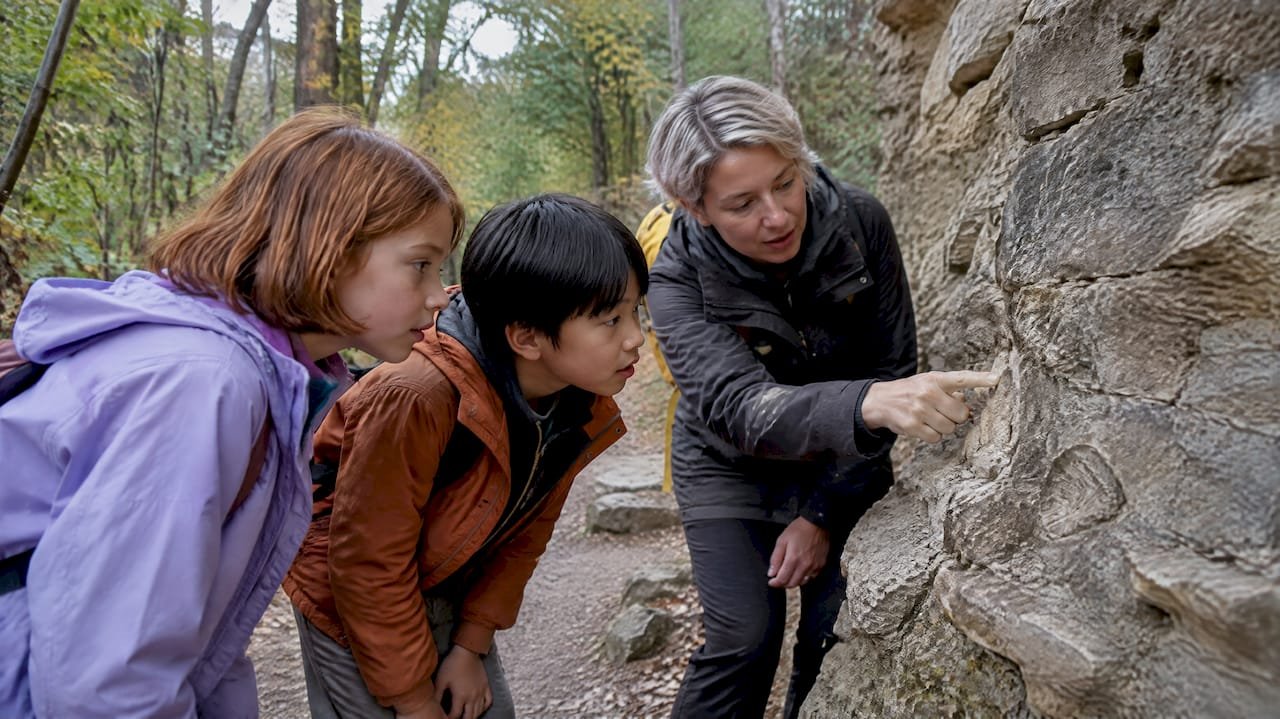
In Toronto, Toronto Nature School offers field trips and in-school programs for kindergarten to Grade 8, many aligned with the Ontario Science and Technology curriculum and with cross-curricular expectations in language, math and social studies.
Outdoor trips are the most exposed to weather, so give them a backup plan, covered in the planning section below.
Active team trips: when the goal is cooperation, movement and a day to remember

Not every trip has to deliver a lesson plan. End-of-year celebrations, team-building days for a new class, a reward for a school-wide goal, a youth group outing or a summer camp day all have a different aim: students working together, moving, laughing and trying something new.
That is the trip we run at Archers Battlefield. Our indoor venue offers:
- Combat archery, at $35
- Nerf battles, at $35
- Dodgeball, at $30
- Ping pong, at $30
- Bazooka ball, which we explain in this guide to how the foam ball game works
- Axe throwing
- Arcade games
These are the individual activity prices as published. For groups, we offer customizable packages for any group size, and our team and sports packages are the closest fit for a class or youth group: Game On Team Battle from $399, Epic Team Battle Event from $499 and Team Collab Package from $699. Each page lists what is included.
Why this kind of trip works for a school group:
- Everyone plays. Team games like dodgeball, bazooka ball and Nerf battles have students on the same side, passing, covering and planning together.
- A range of ages. Our activity options are built for all ages, and our Nerf party age range guide shows how a game adapts to younger and older players.
- Safety is part of the setup. We emphasize safety in every activity, which is what a teacher needs to hear before signing a permission form.
- One venue, one booking. With planning support from our team, you are not coordinating several vendors.
Matching an activity to the group
| Group | Good starting point |
|---|---|
| Younger students looking for a high-energy day | Nerf battles and dodgeball |
| Mixed-ability class | Bazooka ball and arcade games |
| Older students and youth groups | Combat archery and ping pong tournaments |
| Student council or staff reward day | A team package that rotates several games |
If you want a bit of everything, a package that rotates activities keeps small groups busy while others wait their turn.
Cost, group size and booking: how to compare options
Teachers compare field trips on six things. Use the same list for every candidate:
- Learning goal and grade. Does the program name your grade or a curriculum connection, or is it a general visit?
- Group size. Some programs cap numbers. The Toronto catalogue shows ranges as narrow as 10 to 25 students and as wide as 15 to 140.
- Duration. A 90-minute program and a full day have very different bus costs and lunch plans.
- Season. Several programs run only in set months. The St. Catharines programs above run in fall and spring, and Pickering’s Wetland Wonders runs in late spring and summer. Check each page for the current schedule.
- Cost per student. Add admission, bus and supervisors’ costs. Pickering’s $9.53 per student is a useful benchmark for a heritage program, but bus costs often exceed it.
- Booking requirements. Large venues publish teacher guides. The ROM’s teacher’s guide includes preparation checklists, museum guidelines and parking information for bus drivers.
A useful habit is to build a one-page comparison before you pitch the trip to your principal, with the same six rows for every option.
Planning for supervision, safety and weather
A change of location brings risks and responsibilities beyond those in the classroom, so every school board has a procedure. The Hamilton-Wentworth District School Board’s Educational Excursions Procedure is a good example. It requires the teacher in charge and the principal to complete a planning checklist so that risks are anticipated and reduced. It also requires enough supervisors to cover accidents, discipline problems, health concerns and late arrivals, and an alternative arrangement with the parent or guardian if a student must return early.
Your board’s rules may differ, so use your own board’s procedure and forms. In practice, that means:
- Supervision ratios. Confirm the number of adults required for your grade and activity, and name who is responsible for each small group.
- Health information. Collect allergies, medications and mobility needs, and decide who carries them.
- Parent communication. Send details and permission forms early, with the plan for early pickup.
- Transport. Confirm the drop-off point, parking for the bus and the return time.
- Weather. For outdoor programs, follow the guidance in the Waterloo Region District School Board’s teacher planning page: dress students in layers, hats, gloves, rainwear and suitable boots, wear long pants and closed-toed shoes in warmer weather for tick protection, and expect trips to be cancelled if schools close or buses do not run. Possible weather cancellations are typically communicated 24 hours ahead.
An indoor venue like ours removes most of the weather guesswork for a day built around games, and our rainy day activities guide and indoor activities guide show how Ontario groups plan around it. Bus cancellations still apply, so keep a rescheduling plan with the venue.
For active trips, tell students what to wear before the day. Closed-toe shoes and comfortable clothing are the basics, and our Nerf battle outfit guide lists what to wear and skip. For axe throwing, this guide on what to wear, know and bring covers the essentials for older groups.
A sample full-day plan
Many teachers pair a learning trip and an active trip over one school year rather than trying to do both in one day. Here is a simple pattern:
- Fall: a heritage or museum program tied to a unit, such as a 2-hour history program.
- Winter: an indoor active day, when outdoor trips are the hardest to run.
- Spring: a nature program or conservation area visit when the ground is dry and the programs reopen.
- June: an end-of-year celebration. A treat on arrival or departure, such as an ice cream truck for school events, turns the last day into a celebration.
This spreads cost across the year, matches each trip to the season it suits, and gives students a reason to look forward to the next one.
Our view: the best field trip is one students talk about on the bus home
We run an entertainment venue, so we see group days through the lens of how people work together. A museum visit teaches a unit. A day of combat archery, dodgeball or a Nerf battle teaches students how to listen to a teammate, take a turn and cheer for someone else.
That is why we offer customizable packages for any group size, with planning support, rather than a one-size program. A class of 20 and a school of 200 need different setups, and a teacher should not have to solve that alone. We also put safety first in every game, because a trip only counts as a good one if everyone goes home happy.
If you are choosing between trips, we suggest this rule: pick one that builds knowledge, and one that builds the class.
Archers
Book an active school or youth group trip with us
If you are planning a school field trip, end-of-year celebration, summer camp day or youth group outing, we can set up a day around the games your students will choose. Our team and sports packages start at $399 for Game On Team Battle, $499 for Epic Team Battle Event and $699 for the Team Collab Package, and our team-building page lists more options, including the Collab Package from $699.

Tell us your group size and the date you have in mind, and we will help you build the plan. Start on our event packages page or send an inquiry through archersbattlefield.com.
FAQ
What are good school field trip ideas in Ontario for elementary students?
Heritage villages, nature programs and active group outings all suit elementary grades. Toronto Nature School and Scarborough Museum both offer programs from kindergarten up, and an active day of dodgeball or Nerf battles gives younger students a high-energy reward. Match the program to the grade range it lists.
How much does an Ontario school field trip cost per student?
It depends on the program. Pickering Museum Village charges $9.53 per student for a 2026-27 program, or $15.97 for two programs with a lunch break. Add bus and supervisor costs to the venue fee. For an active group day with us, packages start from $399, and the offer pages list what each includes.
What should I check before booking a field trip?
Confirm the grade fit, group size limits, duration, season, cost and booking steps. Then complete your school board’s excursion checklist with your principal, covering supervision, health needs, parent communication and transport.
Can we run a field trip if the weather is bad?
Outdoor programs are often cancelled or rescheduled when schools close or buses do not run, and boards typically communicate this about 24 hours ahead. An indoor venue keeps a games-based day on track in rain or snow, but check the bus status on the day.
Sources
- School Trips, City of Toronto
- Scarborough Museum School Trips, City of Toronto
- Book a Field Trip, The Village at Black Creek
- School Visits, Royal Ontario Museum
- Teacher’s Guide to School Visits and Programs, Royal Ontario Museum
- Education Programs 2025-26, St. Catharines Museum & Welland Canals Centre
- Programs for Teachers & Schools, Pickering Museum Village
- Educational Programs for School and Youth Groups, Friends of Algonquin Park
- Education Naturally Field Trips, The Riverwood Conservancy
- Toronto Field Trips & School Visits, Toronto Nature School
- Educational Excursions Procedure, HWDSB
- Teacher Planning Page, WRDSB Outdoor and Environmental Education


